Optimine
Service · RC Drilling

RC
Drilling

Reverse Circulation drilling that delivers faster, cleaner sample returns for grade control and resource evaluation.

§ Service · RC Drilling

In depth.
In the field.

  • Face-sampling hammers
  • Riffle + cone splitters
  • On-site sample security
  • Grade-control optimised

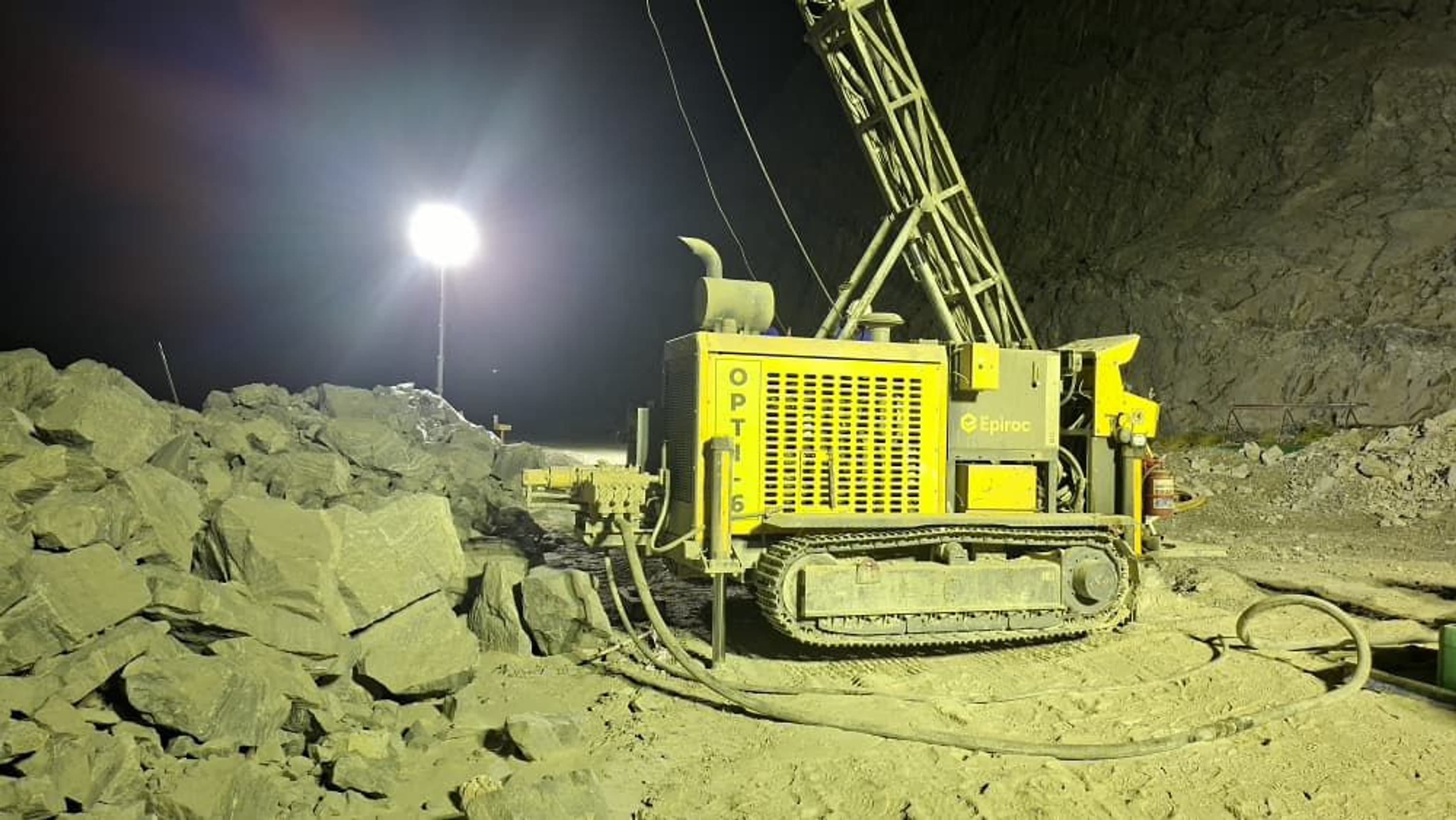
Reverse Circulation is where Optimine moves fast. Multi-purpose rigs deliver high penetration rates on grade-control, resource evaluation, and water-bore programmes without compromising sample integrity.

Face-sampling hammers, calibrated cyclones, and riffle / cone splitters keep the chip stream representative all the way to the laboratory. Splitter calibration and recovery are logged every shift.

RC is the right call when geology is competent, turnaround matters, and the geologist is sampling on bench rather than core orientation.

Programme flow

How a rc drilling
programme runs.

  1. Step 01

    Collar plan & survey

    Collar grid signed off with geologist. Each collar surveyed and pegged before drilling.

  2. Step 02

    Rig setup & safety brief

    Rig levelled and anchored. Daily safety briefing run before first hole.

  3. Step 03

    Drilling with face-sampling hammer

    Compressed-air rotary percussion with face-sampling hammer; chip return to cyclone monitored every metre.

  4. Step 04

    Cyclone & splitter sampling

    Cyclone tuned for the formation. Riffle / cone splitter calibrated; primary + duplicate splits taken per protocol.

  5. Step 05

    Bench logging

    Chip trays systematically logged on the bench — lithology, alteration, mineralisation, recovery.

  6. Step 06

    Sample dispatch & QAQC

    Standards, blanks, duplicates inserted. Samples couriered to lab with signed manifest.

  7. Step 07

    Grade-control reporting

    Grade plans, block model updates, daily metre summary, and weekly programme report.

What you receive

Deliverables,
documented.

  • 1m / 2m composite samples to lab
  • Chip trays archived on site for the project geologist
  • Lithology and alteration logs
  • Grade-control maps and block updates
  • Splitter calibration + recovery logs
  • QAQC summary report per programme
Compliance

Audit-ready by
design.

  • Representative sampling per Theory of Sampling — splitter calibration logged
  • Standards / blanks / duplicates inserted on documented schedule
  • Chain-of-custody manifests for every sample dispatch
  • Daily HSE pre-start brief; site-specific JSAs maintained
Deployable fleet

Rigs we run on
rc drilling.

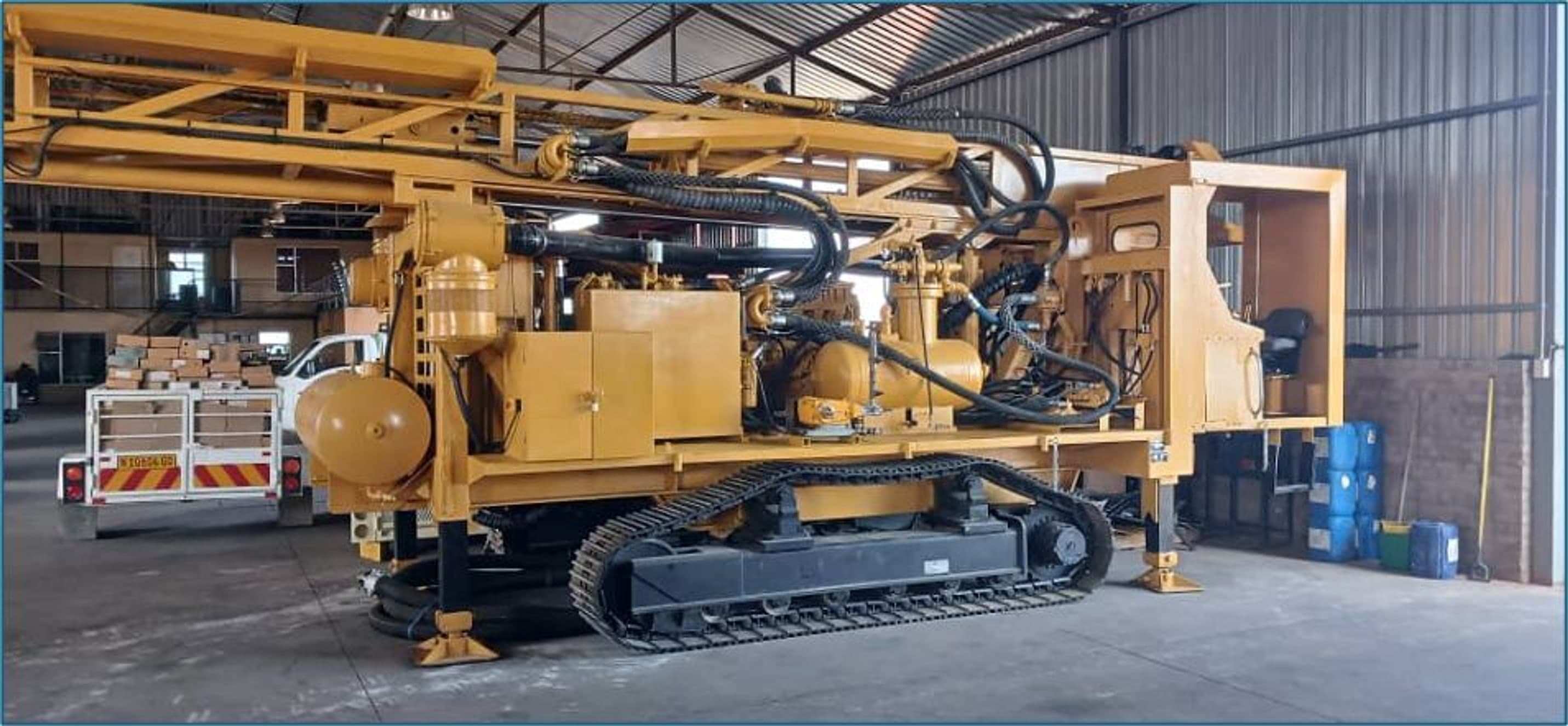
Opti-5 rig
Rig · Opti-5

Multi-purpose RC + diamond unit. Workhorse for grade-control campaigns.
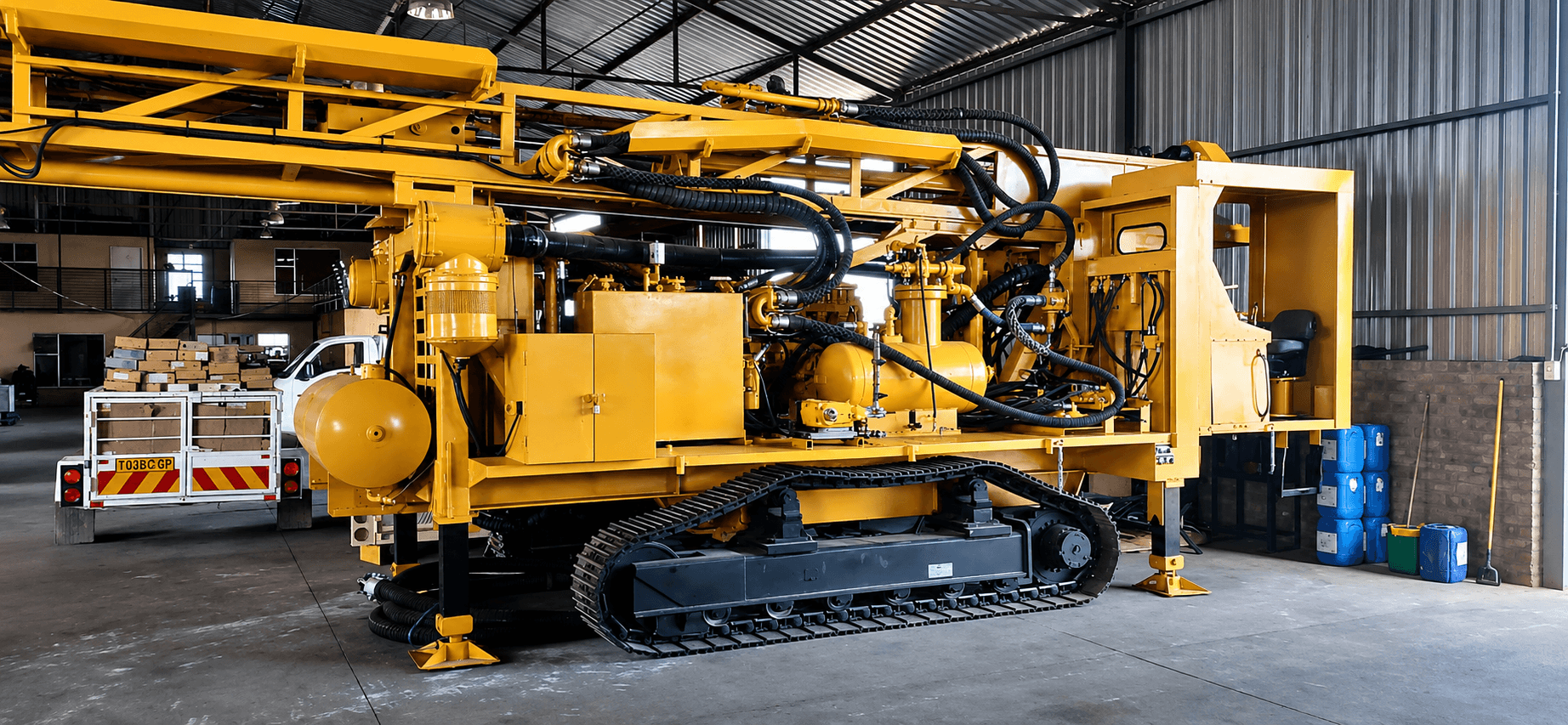
Opti-6 rig
Rig · Opti-6

Modern multi-purpose rig (Epiroc C6C class). High penetration rate, RC + diamond capable.

Common questions

Asked by
our clients.

What sample sizes do you split?
Default is 12.5% riffle split to the lab, with 12.5% duplicate retained on site. Schedule is set per scope.
Can RC follow diamond on the same programme?
Yes. Multi-purpose rigs run RC and diamond core on the same hole when a target needs RC pre-collar to drillable depth.
How are wet samples handled?
When water inflow compromises chip integrity, the geologist decides between case-and-cyclone, drying procedures, or a return to diamond core on the affected interval.
Engage on RC Drilling

Brief us on your
rc drilling programme.

Send a one-page brief — tenement, stage, target metres, and timing — and we'll come back with a scope, rig plan, and QAQC pack tagged to RC Drilling.
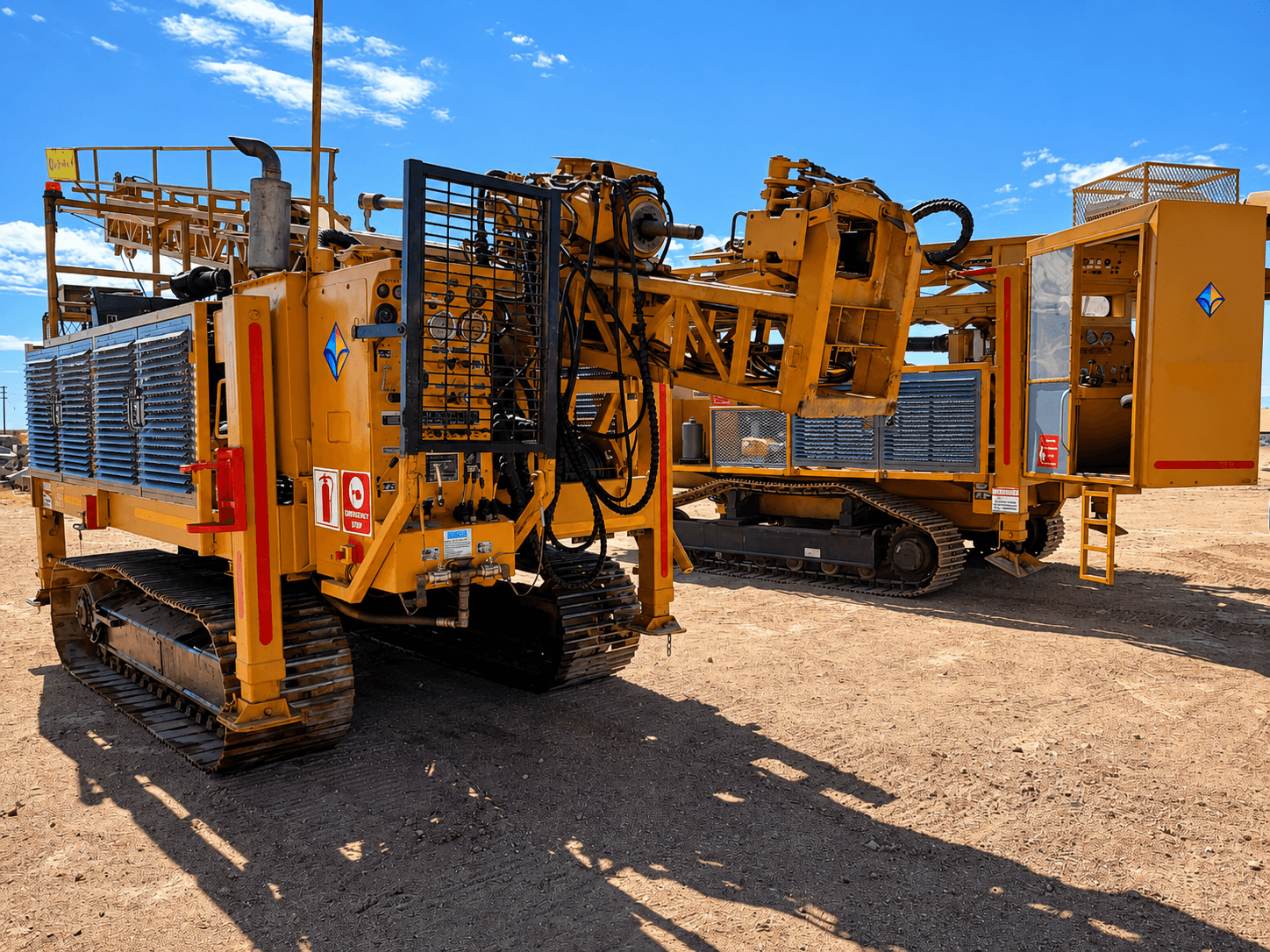
§ 07 / Engagement Brief

Let's drill
your project.

Tell us about your tenement, your stage, and your timeline. We'll come back with a scope, a rig plan, and a QAQC pack your geologist can sign.